

Becoming a Board Certified Behavior Analyst represents one of the most rewarding career paths in healthcare and education. With job demand up over 5,800% since 2010 and median salaries ranging from $73,950 to $98,000, the BCBA credential opens doors to meaningful work helping individuals with autism and other developmental conditions achieve better outcomes.
But the path to certification is neither short nor simple. Between graduate coursework requirements, 1,500-2,000 supervised fieldwork hours, and an exam with a 54% first-time pass rate, aspiring BCBAs need a clear roadmap. Add in significant changes to certification pathways taking effect between 2025 and 2032, and the need for strategic planning becomes even more critical.
This guide walks you through every step of the BCBA certification process, from your first undergraduate course through passing the exam and obtaining state licensure. Whether you are just exploring the profession or already enrolled in a graduate program, you will find actionable guidance for navigating your unique path to certification.
What Is BCBA Certification?

A Board Certified Behavior Analyst (BCBA) is a graduate-level professional credential that qualifies individuals to independently practice behavior analysis. Unlike Registered Behavior Technicians (RBTs) who work under direct supervision or Board Certified Assistant Behavior Analysts (BCaBAs) who require ongoing oversight, BCBAs function as independent practitioners with full authority to assess clients, design behavior-analytic interventions, and supervise others implementing those programs.
The Behavior Analyst Certification Board (BACB), established in 1998, serves as the sole certifying body for this credential. According to BACB certificant data, approximately 66,300 BCBAs hold active certification worldwide, with 94.4% practicing in the United States. This concentration reflects both the profession's American roots and the robust insurance mandates requiring BCBA-level oversight for autism services across most states.
BCBAs work across diverse settings; from autism clinics and public schools to hospitals, corporate training departments, and private practice. The credential represents not just clinical competence but also ethical responsibility, as BCBAs must adhere to the BACB's Professional and Ethical Compliance Code throughout their careers.
BCBA Certification Requirements Overview
Becoming a BCBA requires meeting four sequential requirements: earning a graduate degree, completing approved coursework in behavior analysis, accumulating supervised fieldwork hours, and passing the certification exam. While these components must be completed in a general sequence, there is significant overlap available; you can begin fieldwork hours once you enroll in your first master's-level course, potentially saving years on your certification timeline.
The Four Requirements at a Glance
- Graduate degree from an accredited institution
- Approved coursework in behavior analysis
- 1,500-2,000 supervised fieldwork hours
- Passing score on the BCBA certification exam
The complete journey from bachelor's degree through BCBA certification typically spans 6-8 years, though accelerated programs and full-time study can compress this timeline. According to Regis College, students who strategically plan their coursework and fieldwork can optimize their path while still meeting all BACB requirements.
One critical detail many prospective BCBAs overlook: your coursework has a 10-year expiration window. If you complete your graduate degree but wait too long to finish fieldwork and apply for certification, you may need to retake courses. This makes understanding the full pathway essential before you begin, especially given significant changes to certification requirements taking effect between 2025 and 2032.
Step 1: Earn a Bachelor's Degree
The first requirement for BCBA certification is a bachelor's degree from an accredited institution. The BACB does not mandate a specific major, so degrees in psychology, education, special education, or even unrelated fields all qualify. That said, undergraduate coursework in psychology, child development, or research methods provides a helpful foundation for graduate-level behavior analysis study.
If you are still completing your undergraduate degree, consider gaining early exposure to the field by becoming a Registered Behavior Technician (RBT). This entry-level certification allows you to work directly with clients under BCBA supervision, building practical experience while determining whether the field aligns with your career goals. Many RBTs accumulate valuable client contact hours and observation experience that inform their later work as independent practitioners.
During your bachelor's program, focus on developing strong writing skills, research literacy, and data analysis capabilities. These competencies prove essential in graduate study and throughout your BCBA career, where you will regularly write behavior intervention plans, analyze client data, and translate complex concepts for families and care teams.
Step 2: Complete Graduate Coursework in Applied Behavior Analysis
BCBA certification requires a master's degree or higher from an accredited institution, along with specific coursework in behavior analysis. Currently, two main pathways exist for meeting these coursework requirements, though the landscape is shifting dramatically. Understanding these pathways; and the deadlines associated with each; is essential for anyone planning their certification journey in 2025 and beyond.
Your coursework must cover the content areas specified in the BACB's Task List and be completed within 10 years of your certification application. According to ABA Technologies, the pathway you choose affects not only the verification process but also the quality assurance and long-term viability of your credentials.
Pathway 1: ABAI or APBA-Accredited Program
The most streamlined route to BCBA certification is completing a program accredited by the Association for Behavior Analysis International (ABAI) or the Association of Professional Behavior Analysts (APBA). These programs undergo comprehensive peer review evaluating faculty qualifications, curriculum rigor, student outcomes, and overall program quality.
When you graduate from an accredited program, your degree and coursework verification happens automatically through the accreditation status. This eliminates the documentation burden of proving individual course content and simplifies your certification application considerably.
Most importantly, this pathway represents the future of BCBA certification. Beginning January 1, 2032, ABAI or APBA-accredited programs will be the only route to certification. According to the ABAI accreditation FAQ, the accreditation process ensures programs meet established standards for preparing competent behavior analysts, giving graduates confidence in their preparation.
Note that your program must hold accreditation at the time you earn your degree. Enrolling in a program currently seeking accreditation carries some risk if accreditation is not granted before your graduation.
Pathway 2: Verified Course Sequence (VCS) and Course Attestation
The Verified Course Sequence (VCS) system has historically allowed students to complete BCBA coursework through non-accredited programs. Under this system, the BACB verifies that a course sequence meets minimum content hour requirements, though VCS verification does not evaluate program quality, faculty credentials, or student outcomes.
Critical Deadline
The VCS system ends December 31, 2025. After this date, the BACB will no longer maintain the VCS directory.
Beginning in 2026, universities will provide course attestations directly, certifying that their coursework meets BACB content requirements.
If you are currently enrolled in a VCS program, carefully map your timeline:
- Graduating by December 2025: You can use VCS verification for your application
- Graduating 2026-2031: Your university must provide course attestations under the new system
- Planning to start after 2027: Consider prioritizing accredited programs given Pathway 2 ends entirely in 2032
The BACB's upcoming changes page details these transitions. Students should confirm their chosen program's plan for the attestation transition before enrolling, as not all current VCS programs will continue offering BCBA-qualifying coursework under the new system.
Choosing Between Pathways: What to Consider
Your pathway decision should balance timeline flexibility, quality assurance, and practical constraints. Here is what matters most:
Exam pass rates vary dramatically by program. The BACB publishes university-specific pass rate data showing first-time pass rates ranging from under 30% to over 90% across 192 programs. The national average sits at 54% for first-time test-takers; selecting a program significantly above this benchmark improves your odds of passing on your first attempt, when success rates are highest.
Accredited programs offer built-in quality assurance. The peer review process evaluates whether programs actually prepare competent practitioners, not just whether they cover required content hours. If program quality matters to you; and it should; accreditation provides meaningful validation.
VCS/attestation pathways offer flexibility. If you are already enrolled in a general psychology or education master's program, adding VCS-verified behavior analysis courses may be more practical than transferring to an accredited program. Just verify your program's plans beyond 2025.
Consider the full cost picture. Tuition, fees, supervision access, program duration, and opportunity cost all factor into your decision. An accelerated accredited program may cost more upfront but save years of part-time study.
Your Credentials, Verified and Showcased
Once you earn your BCBA, let employers find you based on your verified qualifications. Create an anonymous profile and receive interview requests with salary info upfront.
Stand Out with Verified SkillsStep 3: Complete Supervised Fieldwork (1,500-2,000 Hours)

Fieldwork is where the theoretical knowledge from your coursework transforms into practical clinical competence. Under the supervision of a qualified BCBA, you will conduct assessments, develop intervention plans, analyze data, and implement behavior-change procedures with real clients. This hands-on experience is non-negotiable; there is no substitute for working directly with the populations you will serve as an independent practitioner.
The BACB offers two fieldwork options with different hour and supervision requirements. You can begin accumulating hours once you enroll in your first master's-level course and have a signed supervision contract in place. According to the BACB fieldwork FAQ, all fieldwork must be completed within 5 consecutive years, so plan your timeline accordingly.
Supervised Fieldwork vs. Concentrated Supervised Fieldwork
Understanding the difference between these two options helps you choose the path that fits your schedule and learning style:
Supervised Fieldwork requires 2,000 total hours with a minimum of 5% supervision (100 hours of direct supervision). This option works well for students balancing fieldwork with other responsibilities, as it allows more flexibility in pacing.
Concentrated Supervised Fieldwork requires 1,500 total hours but with a higher supervision ratio of 10% (150 hours of direct supervision). Despite fewer total hours, the increased supervision intensity often accelerates skill development.
Both options share common requirements:
- Monthly hours: Minimum 20 hours, maximum 130 hours
- Activity mix: At least 60% unrestricted activities (assessments, program development, data analysis, report writing) and no more than 40% restricted activities (direct service delivery)
- Supervision contacts: 4 contacts per supervision period (standard) or 6 contacts per period (concentrated)
- Individual supervision: At least 50% of supervised hours must be one-on-one, not group supervision
The 60/40 activity split ensures you develop the analytical and planning skills that distinguish BCBAs from direct care staff. Your role as a BCBA centers on designing, analyzing, and overseeing interventions rather than primarily implementing them.
Finding and Working with a Qualified Supervisor
Your supervisor relationship significantly impacts both your fieldwork experience and exam preparation. A skilled supervisor does more than sign off on hours; they mentor you through challenging cases, model ethical decision-making, and prepare you for independent practice.
Supervisor qualifications: All supervisors must complete an 8-hour supervision training curriculum approved by the BACB. BCBAs with less than one year of experience must receive ongoing consultation while supervising trainees. Beginning January 2026, only certified professionals (BCBA or BCaBA) can supervise RBTs, reinforcing the credentialing hierarchy.
Supervision contact requirements:
- At least one observation with a client each month
- Minimum 50% of supervised hours must be individual (not group)
- 4 contacts per supervision period for standard fieldwork; 6 for concentrated
Finding quality supervision: Many graduate programs arrange fieldwork placements, but students in online or non-traditional programs often must secure their own supervision. Strategies that work:
- Network through state ABA associations and local BACB chapter events
- Connect with BCBAs at your workplace if you are employed in the field
- Use LinkedIn to identify BCBAs offering supervision in your area
- Ask program faculty for supervisor recommendations
- Evaluate potential supervisors by asking about their supervision philosophy, caseload diversity, and trainee pass rates
Pro Tip
Avoid settling for supervision that merely meets minimum requirements. The best supervisors challenge you with complex cases, provide honest feedback, and actively prepare you for the certification exam.
Documenting Your Fieldwork Hours
Meticulous documentation protects your investment in fieldwork. Incomplete or improperly maintained records can delay your certification application or, worse, invalidate hours you legitimately completed.
Before supervision begins:
- Sign a supervision agreement with your supervisor specifying the fieldwork type, expected timeline, and responsibilities of both parties
- Confirm your supervisor's credentials are current and they have completed required supervision training
Monthly requirements:
- Complete verification forms documenting total hours, supervision contacts, and activity breakdown
- Obtain supervisor signatures on all documentation
- Track unrestricted vs. restricted activity percentages to ensure you meet the 60/40 requirement
Record retention:
- Both you and your supervisor must retain all fieldwork documentation for 7 years
- Store digital copies securely; lost paperwork can create significant complications
Tracking tools: While paper forms work, many trainees use BACB-compliant tracking software or spreadsheets that automatically calculate supervision ratios and flag potential compliance issues. Whatever system you choose, update it weekly rather than trying to reconstruct months of activity from memory.
The BACB may audit your fieldwork documentation during the application process or at any point during your career. Treating documentation as seriously as the clinical work itself protects your credentials long-term.
Step 4: Apply and Pass the BCBA Exam
Once you have completed your degree, coursework, and fieldwork, you are eligible to apply for the BCBA examination. The application process is straightforward but requires attention to detail.
Submit your application through your BACB account, including all required documentation. According to Pass the Big ABA Exam, the total cost for first-time applicants is $370, broken down as $245 for the application fee and $125 for the examination fee. Applications are typically processed within 14 days, after which you can schedule your exam at a Pearson VUE testing center.
Plan strategically: apply when you are ready to take the exam within 90 days of approval, as your authorization window has time limits.
BCBA Exam Structure and Content (6th Edition)
The BCBA exam underwent significant changes with the launch of the 6th Edition Test Content Outline in January 2025. Understanding the current exam structure is essential for effective preparation.
Exam format:
- 185 multiple-choice questions (160 scored, 25 unscored pilot questions)
- 4-hour time limit
- Computer-based testing at Pearson VUE centers
Content domains: The exam covers 9 domains encompassing 104 tasks:
- Foundations of Behaviorism
- Concepts and Principles
- Measurement, Data Display, and Interpretation
- Experimental Design
- Ethics
- Assessment
- Behavior-Change Procedures
- Selecting and Implementing Interventions
- Personnel Supervision and Management
Key 6th Edition changes: The updated exam places new emphasis on diversity, equity, and inclusion across 6 tasks in 3 domains. The ethics section has expanded significantly, now including 12 specific tasks rather than general ethical guideline references. According to resources analyzing the BCBA 6th Edition Test Content Outline, these changes reflect the profession's evolving standards for culturally responsive practice.
Important
If you are using study materials from before 2025, verify they have been updated for the 6th Edition. Studying from outdated content significantly disadvantages you on the current exam.
BCBA Exam Pass Rates and What They Mean
The BCBA exam is challenging, and understanding pass rate data helps you calibrate your preparation expectations realistically.
2024 pass rate statistics:
54%
First-time pass rate
25%
Retake pass rate
76%
Passing score
These numbers reveal an important pattern: your best chance of passing is your first attempt. The significant drop from 54% to 25% on retakes suggests that whatever gaps exist in a candidate's preparation tend to persist without substantial intervention.
Pass rates have declined from a peak of 66% in 2020, reflecting both changes to the exam and potential shifts in candidate preparation. However, program-level data from ABA Technologies' analysis of 2024 pass rates shows enormous variation: some programs achieve pass rates above 80% while others fall below 40%.
What the data suggests:
- More fieldwork hours correlate with higher exam success
- Program selection significantly impacts outcomes
- Adequate preparation time matters; rushing to the exam after completing requirements is risky
Check the BACB's university pass rate data before selecting a program. A program's pass rate reflects both curriculum quality and how well students are prepared for the exam.
Study Resources and Exam Preparation Strategies
Effective exam preparation combines quality study materials with a structured approach. Given the 54% first-time pass rate, thorough preparation is non-negotiable.
Essential resources:
- Primary textbook: Cooper, Heron, and Heward's "Applied Behavior Analysis" (commonly called "The White Book") remains the foundational text. Know this book thoroughly.
- Mock exams: ABA Technologies mock exams are highly recommended for 6th Edition preparation, offering realistic practice questions aligned with current content.
- BDS CBA Learning Module Series: Behavior Development Solutions provides comprehensive study modules covering all content areas.
- Study communities: Join Facebook BCBA study groups and Reddit's r/BehaviorAnalysis for peer support and question discussion.
Preparation strategies that work:
- Start early: Begin structured studying 3-6 months before your exam date
- Focus on application: The exam tests your ability to apply principles to scenarios, not just recall definitions
- Use active recall: Practice explaining concepts without looking at notes; passive re-reading is ineffective
- Take full-length practice exams under timed conditions to build stamina and identify weak areas
- Review fieldwork cases: Connect exam content to real clients you have worked with
If you do not pass: Retake candidates can reapply after a waiting period. Critically evaluate what went wrong; was it content knowledge, test-taking strategy, or anxiety? Many unsuccessful candidates benefit from targeted tutoring or study groups focused on their specific weak domains rather than general review.
Step 5: Apply for State Licensure
Passing the BCBA exam grants you certification, but certification alone does not authorize you to practice in most states. According to The Behavior Academy's licensure guide, 38 states currently require behavior analyst licensure as of September 2024.
Why licensure matters: BCBA certification demonstrates you have met national standards, but state licensure grants legal authority to practice within that state's jurisdiction. Practicing without required licensure carries serious penalties, including fines, loss of certification, and potential criminal charges.
Typical licensure requirements:
- Proof of current BCBA certification
- Criminal background check
- State application fee ($75-$350+ depending on state)
- Sometimes additional state-specific requirements
Licensure is not portable. If you relocate or provide telehealth services across state lines, you must obtain licensure in each state where you practice.
Some states have reciprocity agreements that simplify the process, but you cannot assume your home state license covers you elsewhere.
Before accepting a job offer or starting a private practice, verify licensure requirements in every state where you will serve clients. The BACB maintains a licensure map showing current requirements by state, though requirements change frequently and you should verify directly with state licensing boards.
BCBA Certification Timeline: How Long Does It Take?
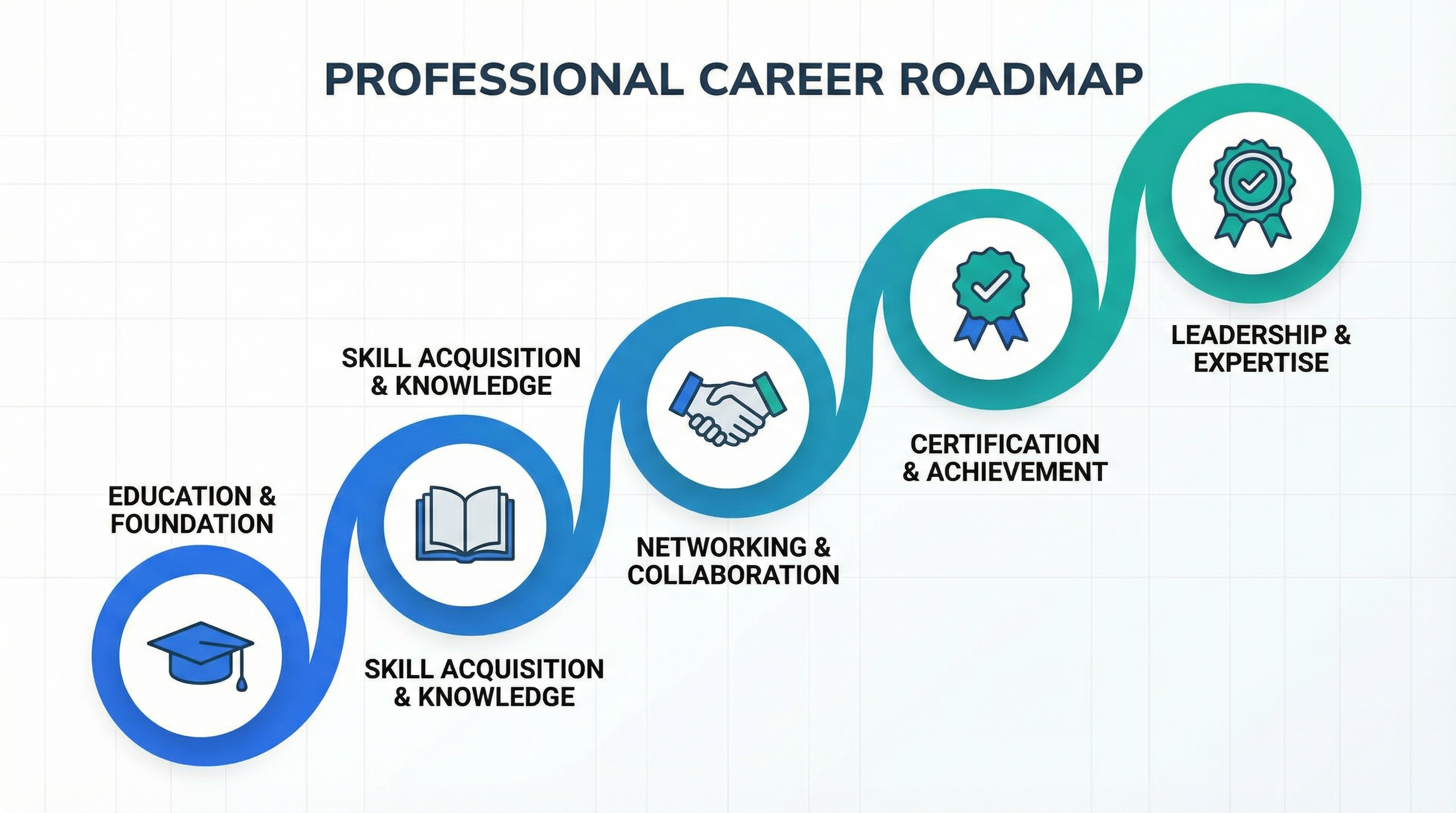
The complete journey from bachelor's degree to BCBA certification typically takes 6-8 years, though individual timelines vary based on program structure, enrollment status, and fieldwork pacing.
Timeline breakdown:
- Bachelor's degree: 4 years (or equivalent for career changers)
- Master's degree with ABA coursework: 2-3 years
- Fieldwork: Can overlap significantly with graduate study, adding 0-2 years depending on your pace
- Exam preparation: 3-6 months recommended
Factors affecting your timeline:
- Full-time vs. part-time study: Part-time graduate programs may extend your coursework by 1-2 years
- Integrated vs. separate fieldwork: Programs with built-in practicum experiences allow simultaneous completion
- Fieldwork availability: Access to supervision and appropriate client populations affects how quickly you can accumulate hours
- Life circumstances: Work, family, and financial factors influence how aggressively you can pursue certification
The key to optimizing your timeline is starting fieldwork as early as possible. You can begin accumulating hours once enrolled in your first master's-level course with a supervision agreement in place. Students who wait until after graduation to start fieldwork add unnecessary time to their certification journey.
Sample BCBA Certification Timelines
Understanding how different paths play out helps you plan realistically:
Accelerated Path (6 years total)
- Years 1-4: Bachelor's degree; gain RBT certification and field exposure
- Years 5-6: Full-time master's program at accredited institution with integrated practicum
- Fieldwork completed concurrently with coursework
- Take exam within 3 months of graduation
- Best for: Students who can commit to full-time study without work obligations
Standard Path (7-8 years total)
- Years 1-4: Bachelor's degree
- Years 5-7: Part-time master's program while working
- Years 6-8: Fieldwork completed during and after graduate study
- Exam 3-6 months after fieldwork completion
- Best for: Working professionals balancing education with employment
Career-Changer Path (8+ years total)
- Years 1-4: Complete bachelor's if not already held (or skip if degreed)
- Begin working as RBT to gain field experience and confirm career fit
- Years 5-8: Part-time graduate program while working full-time
- Fieldwork may extend beyond graduation if hours were accumulated slowly
- Best for: Those transitioning from other careers who need income while studying
Whichever path you choose, map out your specific timeline including VCS/accreditation deadlines, fieldwork start dates, and target exam dates. A written plan keeps you accountable and helps identify potential bottlenecks before they derail your progress.
Maintaining Your BCBA Certification
Earning your BCBA is a significant achievement, but maintaining certification requires ongoing commitment. The BACB mandates recertification every 2 years, with specific requirements designed to ensure BCBAs stay current with evolving practices and ethical standards.
Ongoing requirements:
- Adhere to the BACB Ethics Code for Behavior Analysts
- Self-report any legal, disciplinary, or ethical issues
- Complete continuing education requirements
- Pay recertification fees
Important policy changes:
- As of January 2024, the reinstatement period for lapsed certifications is limited to 30 days
- Beginning January 2025, the single certification policy means you can only hold one BACB certification at a time (no longer maintaining both BCaBA and BCBA simultaneously)
Missing recertification deadlines can result in certification lapse, requiring reinstatement procedures that may include additional documentation or examination.
Continuing Education (CEU) Requirements
Continuing education keeps your skills current and is mandatory for recertification. According to ABA Matrix's CEU guide, BCBAs must complete 32 CEUs per 2-year certification cycle.
CEU Requirements at a Glance
- Total required: 32 CEUs per 2-year cycle
- Ethics requirement: 4 CEUs must address ethics content
- Supervision requirement: 3 CEUs if you supervise (increasing to 4 in 2027)
- No carryover: Excess credits do not roll over to the next cycle
Upcoming changes: Beginning March 2025, ethics CEU content expands to include cultural and contextual responsiveness, reflecting the profession's emphasis on culturally informed practice.
Ways to earn CEUs:
- Attend events from BACB Authorized Continuing Education (ACE) providers
- Complete approved graduate courses
- Present at professional conferences
- Publish peer-reviewed articles
- Teach behavior analysis courses at accredited institutions
Planning your CEUs: Rather than cramming before your recertification deadline, spread CEU activities throughout the 2-year cycle. This approach reduces stress and allows you to pursue professional development topics that genuinely interest you rather than whatever is available at the last minute.
Many employers offer CEU opportunities as part of their benefits package, and state ABA conferences provide efficient ways to earn multiple credits while networking with colleagues.
BCBA Career Outlook and Salary Expectations

The investment in BCBA certification pays dividends in a job market that strongly favors qualified candidates. According to Cross River Therapy's analysis, demand for BCBAs has grown over 5,800% since 2010, making it one of the fastest-growing professions in healthcare.
5,800%+
Growth in BCBA demand since 2010
Market dynamics:
- Bureau of Labor Statistics projects 17-19% job growth for behavior-related roles through 2033-2034
- In 2023, approximately 65,300 job postings competed for roughly 66,300 certified BCBAs; a near 1:1 ratio indicating strong demand
- High demand spans multiple settings: autism clinics, public schools, hospitals, home-based services, telehealth, and corporate consulting
Employment settings: BCBAs work in increasingly diverse environments. While autism services remain the largest employment sector, opportunities exist in organizational behavior management, gerontology, sports psychology, animal training, and educational consulting. The COVID-19 pandemic also normalized telehealth service delivery, expanding geographic flexibility for many practitioners.
BCBA Salary Ranges by Experience and Location
BCBA salaries vary significantly based on experience, location, and employment setting. Data from Salary.com and other compensation sources paint a comprehensive picture:
By experience level:
- Entry-level (0-2 years): $60,000-$70,000
- Mid-career (5-10 years): $80,000-$90,000+
- Senior/Leadership roles: $100,000-$124,000
- Top earners: $124,000-$149,000
Median salary range: Multiple sources place the median BCBA salary between $73,950 and $98,000, with significant variation by market.
By location:
- Highest-paying states: Massachusetts ($95,100 median), California, New Jersey, Connecticut, and Washington consistently top compensation rankings
- Major employment hubs: California accounts for 19% of all BCBA job postings, followed by Texas, Florida, New York, and Massachusetts
By setting:
- Private practice and consulting typically offer the highest earning potential
- Clinical director and supervisory roles command premium salaries
- School-based positions may offer lower base pay but include benefits like pension plans and summers off
- Telehealth positions sometimes offer geographic arbitrage; earning higher-market salaries while living in lower-cost areas
Salary Negotiation Tip
Newly certified BCBAs often undervalue themselves in a seller's market. Research compensation data for your specific location and be prepared to negotiate. The near 1:1 ratio of jobs to BCBAs means employers compete for qualified candidates.
Upcoming Changes to BCBA Certification Requirements
The BCBA certification landscape is undergoing significant transformation between 2025 and 2032. If you are planning your certification journey, understanding these changes is essential for making informed decisions about your educational pathway.
Key deadlines and changes:
December 31, 2025: VCS system ends
- The Verified Course Sequence directory will no longer be maintained
- Universities transition to providing course attestations directly
January 1, 2026: Supervision restrictions tighten
- Only BCBA or BCaBA credentialed professionals can supervise RBTs
- Previously, some non-certified individuals could provide limited supervision
January 1, 2027: Pathways 3 and 4 discontinued
- These alternative pathways to certification will no longer be available
- Students currently using these pathways must complete requirements before this date
January 1, 2032: Pathway 2 ends entirely
- Course attestation pathway discontinued
- Only graduates of ABAI or APBA-accredited programs will qualify for certification
- This represents the most significant long-term change to certification requirements
What this means for you:
If you are starting your journey now, prioritizing an ABAI or APBA-accredited program insulates you from pathway transitions and ensures your credentials meet the highest standards.
If you are currently enrolled in a VCS or non-accredited program, verify your program's plans for the attestation transition and map your timeline to ensure you complete requirements before relevant deadlines.
The BACB's upcoming changes page provides official guidance on all transitions. Review it regularly, as additional changes may be announced.
Next Steps: Launching Your BCBA Career
The path to BCBA certification requires substantial commitment: a graduate degree, rigorous coursework, 1,500-2,000 supervised fieldwork hours, and passing a challenging exam. But for those passionate about behavior analysis, the investment opens doors to a rewarding career with strong demand, competitive salaries, and genuine opportunities to improve lives.
Your action plan:
- Assess where you are in your educational journey and map realistic timelines based on the pathways available to you
- Research programs carefully, prioritizing accredited options and examining pass rate data before enrolling
- Secure quality supervision early; your fieldwork experience shapes your competence as much as your coursework
- Prepare thoroughly for the exam using 6th Edition materials and allowing adequate study time
- Understand licensure requirements for the states where you plan to practice
The 2025-2032 transition period makes planning more important than ever. Students who understand the evolving requirements and act strategically will navigate the pathway efficiently, while those who assume static requirements may face unexpected hurdles.
Once you earn your BCBA, the job market strongly favors qualified candidates. But finding the right opportunity; one that matches your clinical interests, offers fair compensation, and supports your professional growth; requires a thoughtful approach.
Your certification journey begins with a single step. Research your options, create your timeline, and take that first step today.
Your Credentials, Verified and Showcased
Let employers find you based on your verified BCBA credentials. Create an anonymous profile, receive interview requests with salary info upfront, and control when you reveal your identity.